Privacy & Anonymity Resources
Overview
The dark web is a hidden layer of the internet that cannot be accessed through ordinary browsers or found via standard search engines. It requires specialized software — most commonly Tor Browser — which routes traffic through encrypted relays to protect user privacy.
While often associated with illegal activity, the dark web also serves legitimate purposes. Journalists, researchers, activists, and people living under censorship rely on it to communicate and share information privately, reducing the personal data exposed online.
It also carries real risks — scams, malware, and unreliable sites are common. Stay cautious, avoid sharing personal information, and follow safe browsing practices. The dark web itself is neither good nor bad; it's a privacy-driven environment where anonymity is the rule.
Resources
Volume I
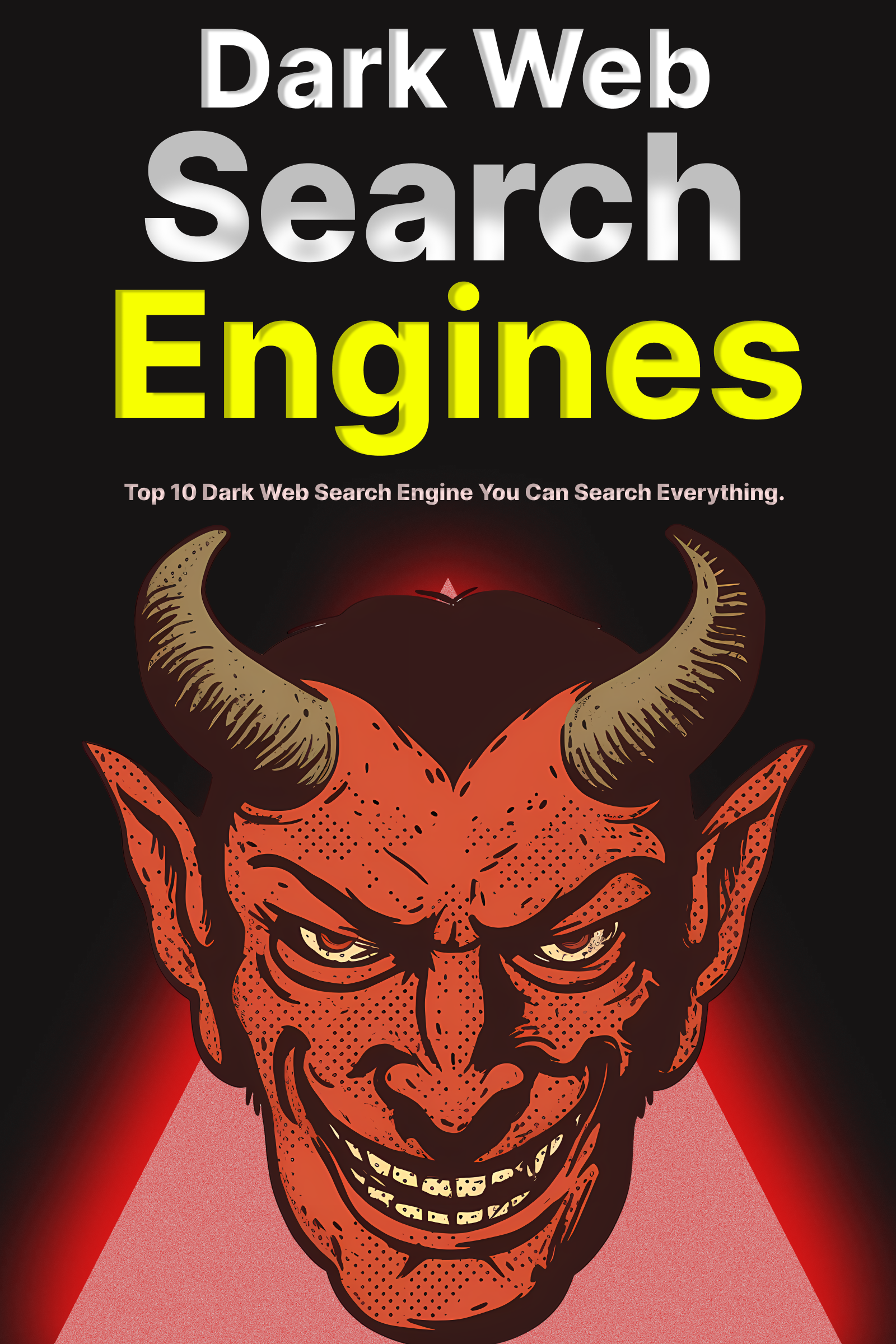
A complete directory of hidden search engines — find what standard browsers can never index.
Volume II
Advanced anonymity techniques to access these websites on across Dark Web Network.
Message us on Instagram to place your order — quick replies, secure and private transaction.
@chris_tuckersellerGetting Started
Get the official Tor Browser from torproject.org. It's free, open-source, and available for every major OS.
Connect to a trusted VPN before launching Tor for an extra layer of privacy from your ISP.
Open Tor Browser and connect. Your traffic routes through encrypted relays worldwide, masking your identity.
Stick to .onion links you trust, never share personal details, and avoid downloading unknown files.